
Giveaway Winners – Book & Plug Plants
Anti-Cancer, the book we recommend highly to anyone scared of, frightened by, the thought of cancer. Written by a doctor who has survived ten years after his diagnosis of brain cancer, it is reassuring, inspiring and very readable.
The winners of this great book are:
S Pearmain, Middlesex
B Smith, Argyll
T Rylatt, Leeds
M Jarman, Surrey
K Barrett, Huddersfield
Kathleen Mallard – Lobelia Erinus – 10 plug plants Thompson & Morgan
An old fashioned double rosebud flower grown by the Victorians, ideal for hanging baskets, patio containers, window boxes and front bedding as it has a close knit habit and forms a perfect ball. Its height and spread is 15cm/6 inches.
The winners are: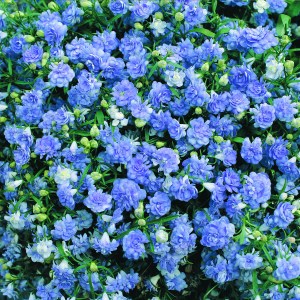
J Vaughan, Worcs
J Rayner, Derby
F Scholz, Aberdeen
A Johnson, Angus
R Holtom, Birmingham
Congratulations everyone.
Val Reynolds Brown, Editor
It’s Mother’s Day – My Day of the Dead
 What does that mean to you if you no longer have a mother, nor do you have any children. Nothing really but it does make me wonder whether we should have a Day of the Dead as they do in Mexico. The church does commemorate the dead on All Souls’ Day or Feast of all Souls on 2 November.
A specific date would give my siblings and I a chance to formally remember our mum together. Talk about her and share memories. And a day I could use to come to terms with the hole having no children leaves in my heart.
And think about those I have so carelessly lost. I say careless because yes people die and they may not have meant a lot to me then but they have become more important as the day they died moves further and further away.
I now really miss my dad. As time has passed I realise I didn’t ask him questions I really want to know now. I also realise we didn’t take the time to talk about how we felt about each other. He was a dear man who couldn’t, or wouldn’t, let his inner feelings show. I do wish he had. To some extent I resent it because it has left another hole in my heart that can never be healed. A continued ache that hurts more from time to time.
And then there are close friends who are so missed. Ones it is still difficult to believe have gone. Forever. Vibrant, fun people who gave us joy. And those who died unhappy, confused and sad. One friend lay down on a local railway track and it still haunts me whenever a train thunders through the station while I’m waiting to go to London, or worse in the other direction where she died. My toes curl at the thought. We did talk, lots of times, about her unhappiness. The last time we talked she was more optimistic than usual. I never thought she would take her life in such a terrible way.
There are people I really don’t miss at all. And that is a function of my relationship with them of course. Those people who I have never, ever been able to reach. Never been able to relax with, have fun with, my fault, their fault. Who knows. Why even use the word fault. That’s life which has to be got on with.
 So Mother’s Day is a day for remembering. But on my own. It’s my Day of the Dead.
Elizabeth Bryant – contributing author
Ecstasy & Under Milk Wood
 Jeannette Nelson Jeannette is a bit of a culture vulture who enjoys art exhibitions, cinema and classical music, but her main interest is the theatre. For several years she ran theatre discussion groups for which her MA in Modern Drama together with teaching skills stood her in good stead. She prefers to concentrate on the many off West End and fringe productions as well as that real treasure of the London theatre scene, the National.
Rare Picasso Lithographs in London
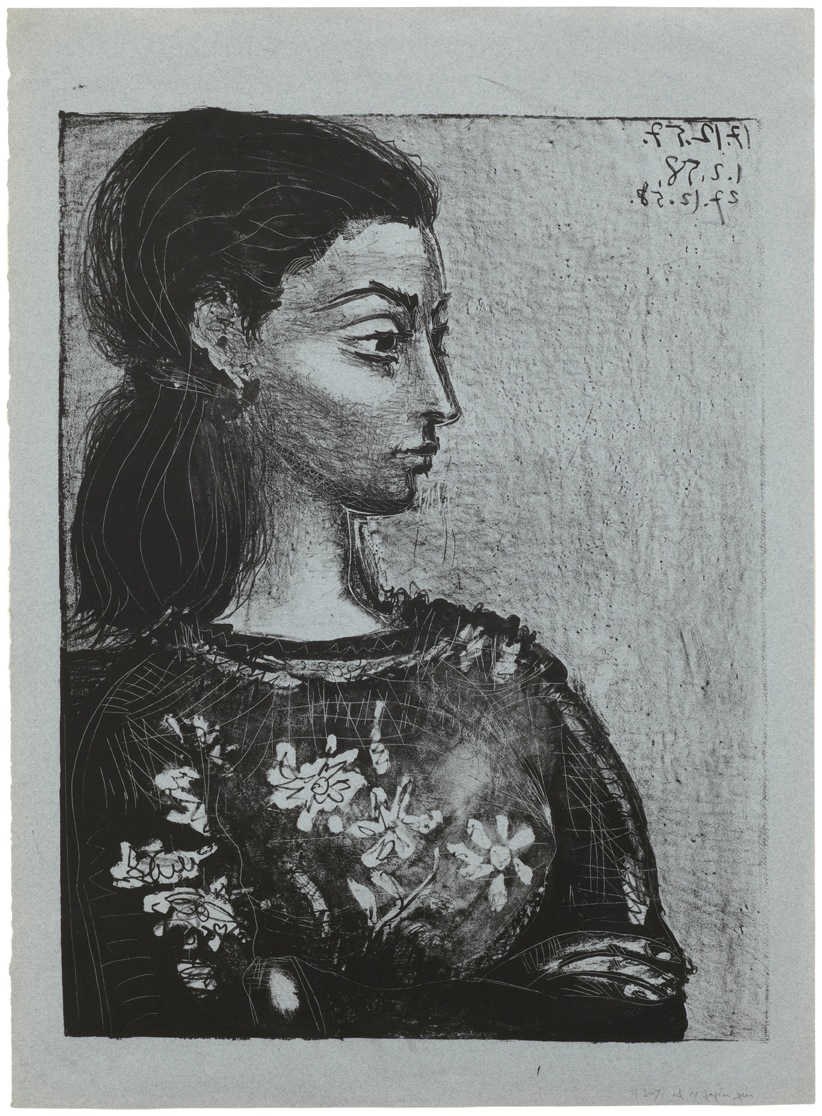 Lithograph making fascinated Picasso and you can see a few of the prints, some of which were never intended for sale, at a London Gallery for the next few weeks.
Paper 74.3 x 54.9 cm / Plate 63.0 x 47.0 cm to 64.5 x 48.6 cm
Third and final state
Unique impression on grey Arches wove paper aside from the edition of 50 and six proofs reserved for the artist and printer
Mourlot catalogue reference 307
Bloch catalogue reference 847La Femme au Fauteuil No. 1 (d’après le rouge) 2e état, 13 December 1948
 The Woman in the Armchair No. 1 (from the red) 2nd State
Lithograph using sandpaper, needle, pen, crayon and brush on zinc on the red plate of Woman in the Armchair, Mourlot catalogue reference 133, on Arches wove paper
Paper 76.2 x 56.0 / Plate 69.8 x 54.5 cm
One of six proofs reserved for the artist and printer
Initialled by Fernand Mourlot, inscribed 2e état (2nd state) and numbered 6/6 verso
There was no edition of this state
Mourlot catalogue reference 134
Bloch catalogue reference 586

La Femme au Fauteuil No. 1 (d’après le rouge) 9 e état, Le Manteau Polonais, 30 December 1948
The Woman in the Armchair No. 1 (from the red) 9th State, The Polish Coat
Lithograph printed in black and blue-grey from the red plate of Woman in the Armchair, Mourlot catalogue reference 133, on Arches wove paper
Paper 76.0 x 56.2 cm / Plate 69.5 x 54.5 cm
One of six proofs reserved for the artist and printer
Initialled by Fernand Mourlot, inscribed avec un gris (with a grey) and numbered 6/6 verso
Aside from the edition of 50, which did not include the background colour
Blue-grey is one of two colour versions, the other being grey-green
Mourlot catalogue reference 134 (grey-green version illustrated)
Bloch catalogue reference 587
Forced Rhubarb – First fruit of the year
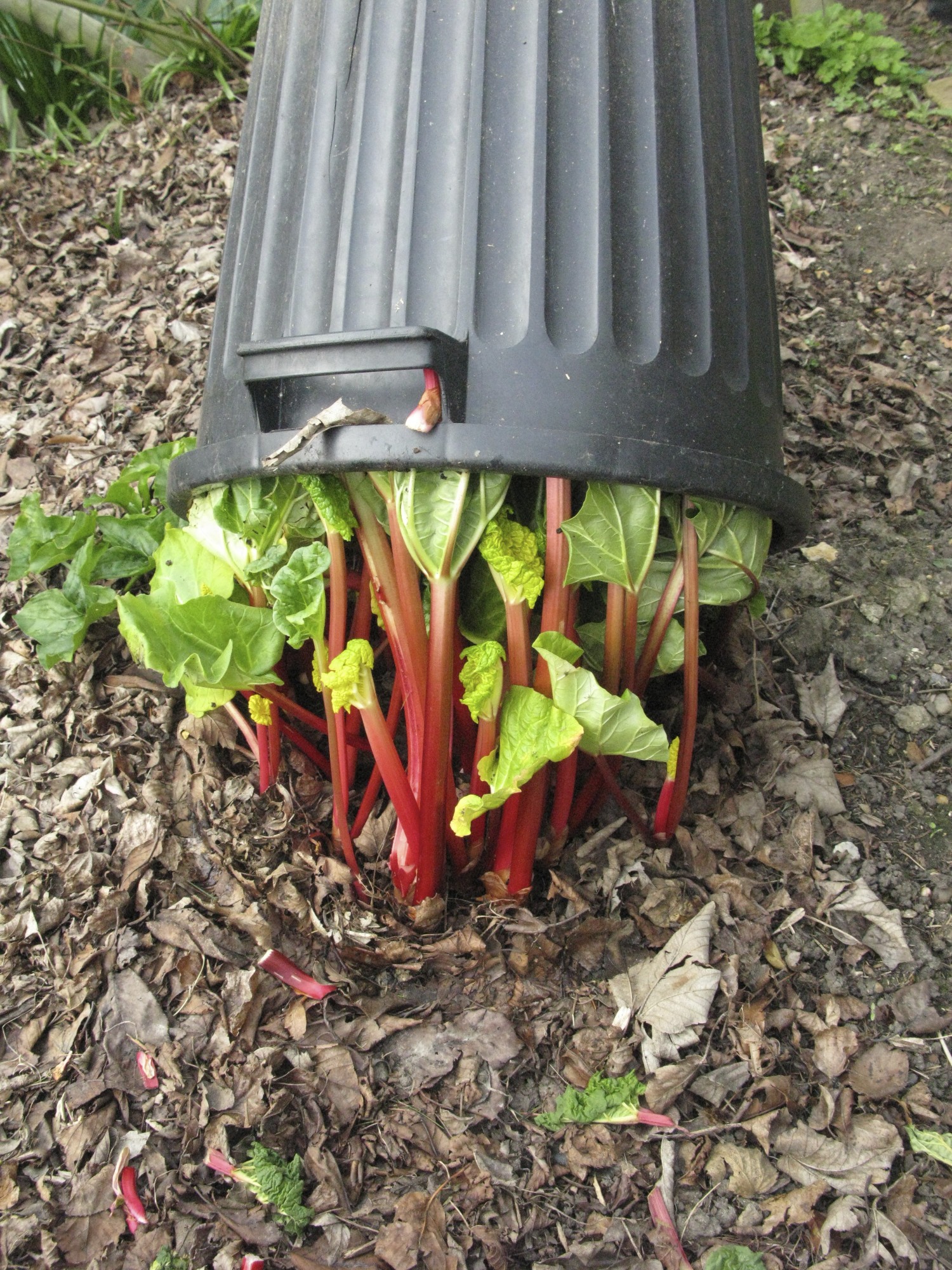
Forced rhubarb ready to cut
It’s so unbelievably easy to get juicy, sweet rhubarb so early in the year. And yet we do it, every year. We just place an old plastic dustbin over the new shoots when they appear in early spring and a few weeks later hey presto there’s rhubarb to pick.
We generally get too much at a time so it is cooked with a little sugar and stored in the freezer ready for later use. Great with yogurt, on cereal, with ice cream. We made some delicious wine one year, it was a beautiful pink colour. We do bottle some, best for us in the smaller jars, a whole kilo jar tends to languish in the fridge for far too long. Anyway as it has a high oxalic acid content it’s best not to eat rhubarb for extended periods. Once a week is probably wiser. We generally go for crumble or pies, with a generous amount of ground ginger to give it that little extra zing.
We have no idea which variety of rhubarb we have, we think it’s been in this garden since the 1930s. But good plants can be purchased from Thompson & Morgan, here is a link to their comprehensive rhubarb catalogue page.
Val Reynolds Brown, Editor
How to lose weight without dieting!
Dieting has never been our strong point and we were so touched by this rhyme sent in by a reader that we immediately sent her a copy of the new book Colour me slimmer that we find so inspiring.
I made this rhyme up in a fit of alcoholically fuelled despair walking behind two girls with lovely figures. It tells you as much about myself as I want you to know and more about how my mother dealt with my deep despair. Lucy Reckett
Fatty watty watty
That’s what they say
Fatty watty watty
It really makes my day
Fatty watty fatty
That’s what they say
Not matter what the day
I’m fatty watty watty
So I’m so fat
That is that
No matter what I say
It only means I weigh
More than you
More than you
Oh it’s true
I’m fatter than you
Fatty watty watty
What do I care
There, there, there,
My mum says fatty watty watty doesn’t
matty matty moo!
Colour Me Slimmer is about clever dressing for a fabulous figure, whether you are size 12 or 22. Here’s a book that banishes baggy tea shirts, rejects dangerous crash diets. This essential style guide demonstrates that by simply wearing the correct clothing for your body shape, you can shed pounds in seconds.
Colour Me Slimmer is published by Hamlyn, rrp £12.99
It’s available at all good booksellers and on Amazon Colour Me Slimmer: Clever Dressing for a Fabulous Figure (Colour Me Beautiful)

 WE HAVE 8 COPIES TO GIVE AWAY TO IN BALANCE READERS
Culture and Kids

Listening to a speaker
There was a time, not so long ago, when ‘culture’ was almost a dirty word. A ‘culture vulture’ read a broadsheet newspaper, spoke in a drawling upper-class accent and ate smoked salmon sandwiches during the intervals at the opera. But recently the definition of culture has broadened; it now recognises and encompasses a far wider range of activities in many fields. This has brought with it a greater egalitarianism and many activities are now considered cultural where previously they were given other labels. Does this matter, you may ask? Well, yes, I believe it does. Not the labelling per se (a rose by any other name …) but the importance placed by society on the full development of the individual. Exercise for the brain as important as exercise for the body. As we become more and more a nation of shoppers (as opposed to shopkeepers) the need for balance in our lives becomes even greater.

Punch and Judy audience
The government added its cachet to the importance of culture when about three years ago it announced its ‘aspiration’ for every child at secondary school to have five hours of culture per week. Like most aspirations this is very laudable, though how it can be achieved does beg many a question. And there is probably nothing like the label cultural activities to put off a teenager and achieve the opposite effect from what was originally intended. Many schools and colleges already offer much in this field and it could be argued that including it in the current curriculum rather than presenting it as an add-on is a far more subtle way of influencing young minds.
As a Londoner and a theatre-goer I have for many years observed the shepherding of hordes of teenagers to West End plays. Indeed, as a former teacher, I have been guilty myself of the shepherding! I think I can say that I now feel less trepidation when sighting said hordes than I have in the past. Students from all areas of the education system are present, and generally speaking they are less disruptive than they have been previously. But almost invariably there are aspects of behaviour that seem peculiar to this type of member of the audience. First, there is the ritual of sitting next to your friends. This enables many of the young girls (and occasionally boys) to rest their heads on their neighbours’ shoulders, perhaps to have a comfortable shut-eye. Then there’s the question of mobile phones. Not just the young but people in general have thankfully learned to disable the ringing tone before the start of a performance, but teenagers seem unable to be out of communication for an hour or so and the lit-up screens of those intent on texting or playing games during the performance can be most distracting. But whatever the involvement with the play, there’s no doubting the enthusiasm of young audience members when it’s (finally) over. Even those who have slept or texted their way through the entire performance will whoop and cheer the cast as they take their bow as if they were a Jerry Springer audience. Maybe they’re just thankful it’s all over!
 Jeannette Nelson Jeannette is a bit of a culture vulture who enjoys art exhibitions, cinema and classical music, but her main interest is the theatre. For several years she ran theatre discussion groups for which her MA in Modern Drama together with teaching skills stood her in good stead. She prefers to concentrate on the many off West End and fringe productions as well as that real treasure of the London theatre scene, the National.
The Sun is Shining in the Sky …
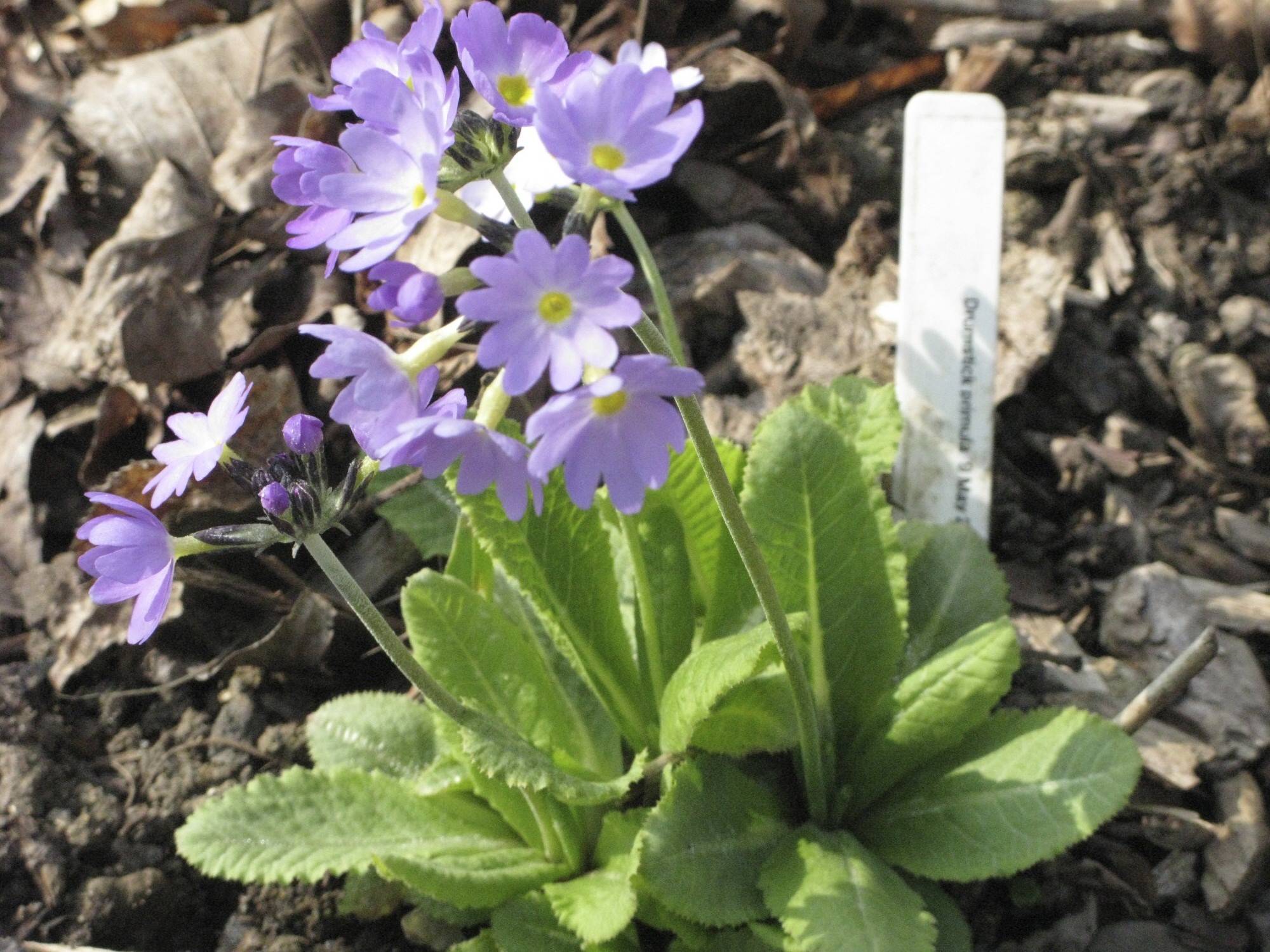
Drumstick primula, sown May 2010
The sun is shining in the sky and it’s seed time! The most exciting time in my gardening year. The anticipation, the joy, the expectation. But then there is the labelling … I have so often sown the seed and not bothered to write a label thinking I won’t forget that particular tray.
Wrong! I have often forgotten and some seeds haven’t received the attention they need, especially those that take more than a month to germinate.
That’s all in the past. This year I have a labelling machine. A Brother P-touch GL200 and a wondrous machine it is too!
A dream machine it is a computerised, battery run labeller. Lightweight and so portable I can do the labelling in the garden if I want. In fact though, I generally print out the labels before I go into the garden, much easier to prepare the labels before I get my fingers muddy.
I can’t say enough good things about it, and so far, touch wood, I can’t think of anything negative. The labels are rainproof, humidity proof, fade proof, heat and frost resistant, can be on coloured tape. I can choose the typeface which can be small, medium or large, on a long or short strip. It has a built in date and time clock. You get to see the text before you print on a small screen, and it can be neatly cut. All I do is make sure I have enough plant sticks to add the label to! Easy. If you’re interested in the specification go to www.brother.co.uk/gl200
Actually I can think of a negative, the price of the replacement tape is a bit steep. But honestly the machine is so useful I can tolerate that, just.
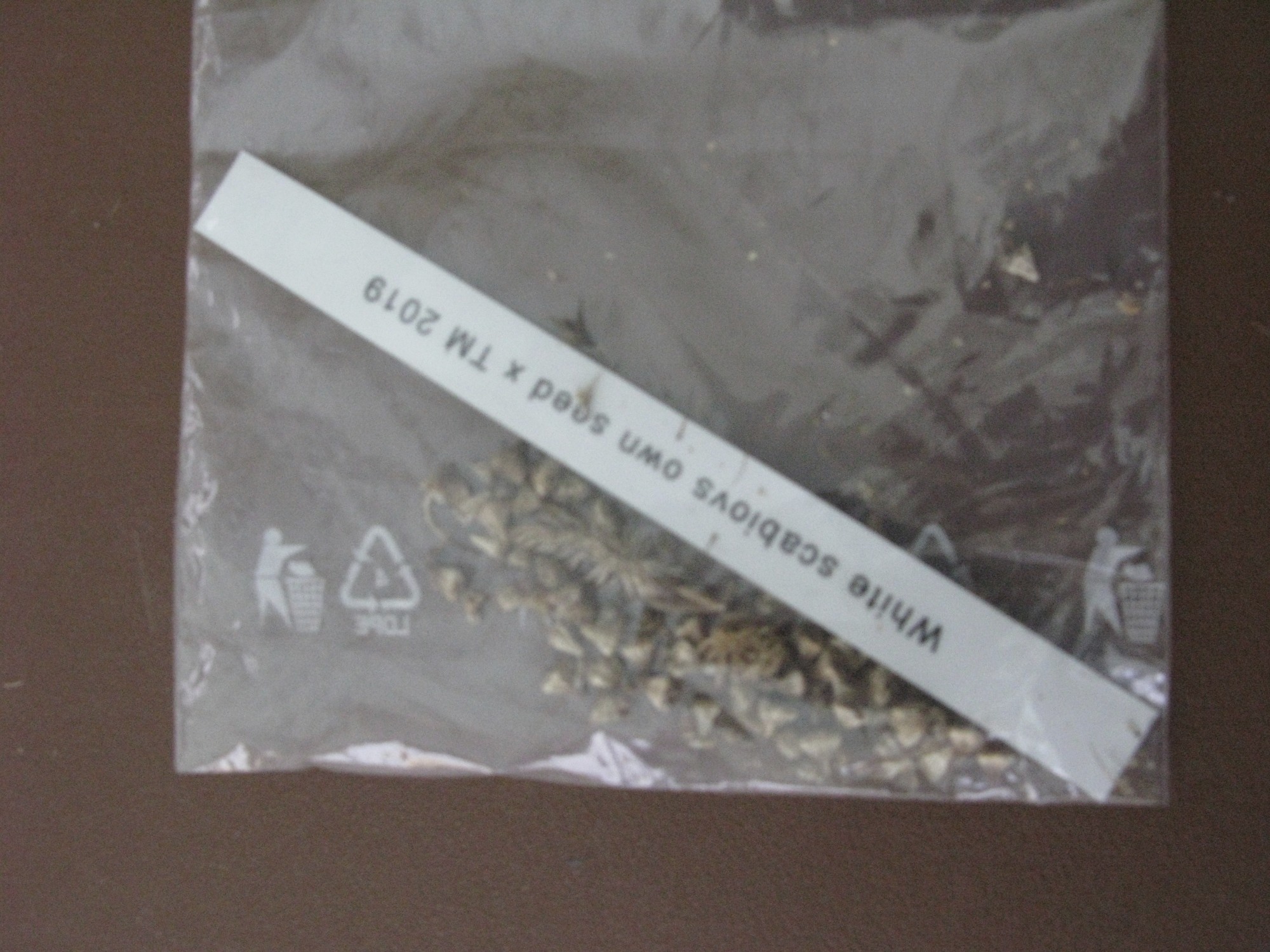
Seed collected 2011
One of the uses I have put it to is to add an appropriate label inside the numerous plastic bags of seed I have collected last year. That way I know what those funny looking seeds really are this year and the label is ready to go. What joy!
My husband uses it for labelling his filing folders and I have used it for all kinds of jobs around the house and elsewhere – even the little plaque on a fence post giving the website address for our front garden!

Label weathering well
It is one of those gadgets I really wouldn’t be without.
RRP £27.55, available on Amazon Brother P-Touch Label Printer

Kate Campbell, Gardening editor
We have a Brother P-touch GL200 to GIVEAWAY to an In Balance reader. To enter the draw send an email to editorinbalance@me.com with Brother P-touch GL200 in the subject box and your full contact details in the text box. Entries to reach by latest 25 April 2011. One entry per household.
How to Grow Gladiolus Callianthus or Acidanthera – Beautiful Scent Beautiful Flowers
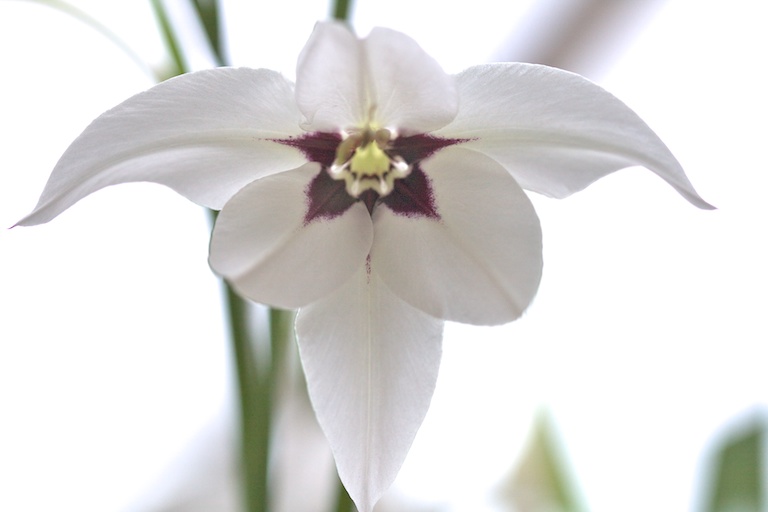
Last summer we were delighted and surprised with the beautiful scent and beautiful flowers of the gladiolus callianthus, now more usually referred to as acidanthera. Also known as Abyssinian gladiola and sword lily, acidanthera, pronounced ass-ih-dan-ther-ah, plants are tender and grown from corms.
We planted ours in April in a pot. If you want to plant Acidanthera in the ground choose a site that gets the afternoon sun and near a path, that way you will notice the scent as you pass.

Hoverfly drinking Gladiolus Callianthus nectar
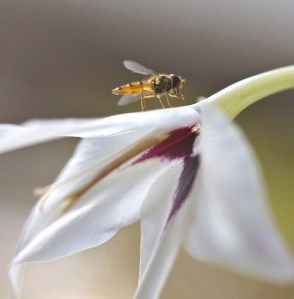
Hoverfly resting on Gladiolus Callianthus
When ours flowered in mid July we brought the pot into the conservatory out of the wind and strong rain. Each long leafed plant produced about ten white flowers, each with a beautiful scent that filled the room. They attracted innumerable hoverflies who fought for a place on the long perfumed stamens. Once there they were very reluctant to move and other hoverflies darted and hovered waiting for their turn, or not, when there was an amusing dogfight to watch.
The swordlike leaves are about 24 inches tall with blossoms that filled the conservatory with a beautiful scent.
Growing these bulbs really didn’t take much effort, we put 6 corms to a depth of about 5 inches in a clay pot in a soilless compost for the conservatory. The plants are low maintenance, to produce the most flowers the plants do appreciate a regular feed.
Next year we’ll put some in pots for the conservatory and others in the front garden in pots but plunged in the soil. They will need support of some kind, we’ll probably use some unobtrusive metal rings you can buy from any garden centre or even B&Q. The pots will be easy to remove once the flowers have gone over and later when the leaves have died away the bulbs can be dried and stored in a paper bag in a cool but not frosty place during the winter with a note in the diary to get them out and planted by latest mid April*. I have read some gardeners successfully leave the bulbs in the pot kept in a frost free greenhouse, bringing the pot out once the danger of frost has passed.
These plants originate from East African mountains, between 4,000-8,000 ft, mainly found in grassy areas and amongst rocks, which perhaps give them the protection from frost they need.
The gladiolus callianthus bulbs, generally available in the spring, were supplied by Avon Bulbs, Avon Bulbs Ltd, Burnt House Farm, Mid Lambrook, South Petherton, Somerset, TA13 5HE, Tel: (01460) 242177
*By the way, we completely forgot to lift and store them last autumn … luckily Avon Bulbs still have some of sale so we’ll plant some more in April.
March 2015 Just been to Aldi where they are selling packets of 30 bulbs for 99p – what a bargain! Was so excited I bought 3 packs … can’t wait for the summer and their heavenly scent. I have to say everything I have bought in the plant and seed sections has always gone well for me, from olive trees to lavender bushes, from wild flower mixtures to bonsai plants. Would love to hear if that has been your experience.
Val Reynolds Brown, Editor
Why Bees Collect Pollen in Baskets
A visit to a local fifteenth century churchyard on the first sunny day that enticed us out of the house, reminded me of the uniqueness of pollen colours. For years I was completely unaware of how each plant produces a different pollen colour and that because honeybees collect pollen from only one source at a time it is easy to see the colours. The bee adds a tiny amount of nectar to the pollen as it collects it which makes the pollen stay on the bee’s pollen basket, which is in fact on just one strand on each rear leg.
 For instance in this picture of a bee in the churchyard on a white anemone blanda – usually a purply/blue colour – you can see the pollen is a creamy white. Snowdrops provide a red pollen and dandelions a reddish yellow. There is a fascinating page on the Bristol Beekeepers website showing pollen colours for a variety of plants.
This fantastic image by Dave – see his website – is clearer, the bee is on plum blossom. 
So why do bees collect pollen? It is a source of protein, fat, starch and vitamins and fed to bee larvae along with honey and a little of what is called queen jelly, a secretion from the glands in the heads of worker bees. A well written Wikipedia page gives more in depth information.
You might this website of artist Valerie Littlewood, interesting, she is fascinated by all things bee, who now lives in Florida.
You may wonder why bumblebees’ pollen baskets don’t have similar colours, it’s because they are gather pollen from a variety of plants so the colours are all mixed up.
Interestingly Anna Pavord writes in The Independent Magazine about the historical daffodils she has in her garden that were collected from churchyards and abandoned gardens by Alan Street of Avon Bulbs and are now available on their website. Sadly they are now completely sold out … but will be ready to order in May to plant in the autumn.
I’d quite like to grow some dwarf narcissi under the cherry trees and have made a another note in the diary to get in touch with the Yorkshire growers Miniature Bulbs later this year. I’ll have a hard job deciding on which ones to plant, they are all utterly gorgeous!
Val Reynolds Brown, Editor
 In Balance