
Favourite Best Foods for Health : Honey
Honey: We love Honey and we really love Manuka honey. It has quite a strong flavour but one it’s easy to become accustomed to. Used for a lot of skin problems there is always some in our bathroom cabinet.
Manuka honey mostly comes from New Zealand and has a guide as to its strength, you will see UMF 16+, 25+, 10+ included on the label. UMF stands for Unique Manuka Factor, used to indicate how bioactive it is. So which to buy for what?
We keep a pot of Spirit’s Bay Manuka Honey UMF25+ in a kitchen cupboard for burns and cuts. It really works, I wish I had known about it when I badly burned the inside of my wrist some 15 years ago. I still have a scar, whereas now whenever I burn myself – and how easy it is in the kitchen – I quickly dab some on, cover it with a piece of lint and tape to keep it in place and within 12 hours you wouldn’t know anything had happened. It’s that good.
For general wellness we keep a pot of Goldenhills Manuka Honey UMF16+ to eating on bread and butter, or with a hot lemon drink for sore throats.
 For particularly sore throats we have some Comvita propolis herbal elixir in the medicine cupboard. It includes Manuka Honey UMF10, multiflora honey, apple cider vinegar, Vit C, and peppermint.
All in all, honey is a unique food and Ogilvy’s are able to provide really unusual honeys – Balkan Linden honey, well known for its lightness and woody scent, is especially good in tea. Other unusual honeys include one from the Himalayan Highlands – light and delicious, remarkably floral. Another we tried comes from the Zambesi Plains. Different again in flavour due to the plants the bees gather the nectar from, this is gathered at the head of the Zambesi River by local beekeepers.
Ogilvy honeys are a special gift for any honey aficionados – yes there are lots of them! You might be surprised if you asked around. Widely available – their website most interesting.
Spirit’s Bay 25+ and Goldenhills 16+ are widely available in health food stores and their websites.
Joan Marshall, Contributing author
Just who benefits most from Food Supplements?

Grow your own vegetables and use lots of compost
The latest ‘warning’ that low levels of selenium in British soil* are having a damaging effect on our health as we are not getting enough of the mineral through the food we eat, is yet another spur to buy yet more supplements.
Most people I talk to about this find the whole subject confusing. Many friends say they take a multi vitamin tablet every day just to be on the safe side. And yet we hear from scientists that our diet is quite adequate and multi vitamin tablets are unnecessary and natural sources are far easier for our bodies to digest.
So this latest selenium information is I feel just adding to the confusion and for manufacturers to benefit from our anxiety.
A nutritionist has pointed out that natural sources of selenium include sardines, sunflower seeds, prawns, eggs, wholemeal flour and lean meat. Brazil nuts are an especially concentrated source of selenium.
So as brazil nuts, sardines and prawns don’t grow in British soil I’ll be eating some of each every week.
PS Brazils are high in fat – 10g = 6.8g fat, 68kCal and even higher if surrounded by chocolate!
Val Reynolds Brown, Editor
*With so much fruit and veg imported from abroad I wonder just how valid this ‘warning’ is.
The Struggle To Stay Fit
We received this email update from the authors of The Serotonin Power Diet blog and thought it worth passing on.
 We were on the ferry coming back to Boston from Cape Cod. The boat was crowded and three of us, plus a dog, were crowded into a small booth, happy to have found a place to sit. The two people facing me (I had the dog) were complaining about their sore muscles. Both had gone for long bike rides and were feeling the effects of riding up and down the steep hills of Truro (a small town at the end of the Cape).”I used to be in great shape until six months ago,” said one, “but opening a new office prevented me from doing any exercise. ” The other (we were all strangers) nodded in agreement. “I’m in real estate and fortunately, work really picked up over the spring. I haven’t been to a gym since last December.” I understood. Although I occasionally use the exercycle in the gym, biking outside with an 11-pound dog in my basket, against the wind, and over those hills, made my muscles ache as well.The three of us sighed and reflected on how hard it was to stay fit and how after a period of inactivity, our muscles seemed to have the strength of a wet noodle. The dog had no comment.Studies done by exercise physiologists confirm what we weekend athletes knew already; unless a person is in superb cardiovascular and muscular condition, de-conditioning (the term describing loss of fitness) can occur after only weeks of inactivity. Olympics contenders can take a couple of months off after the Games and experience some decrease in their physical prowess. We ordinary mortals, who have day jobs and after-work hour commitments that make it hard to exercise consistently, will go back to being unfit much sooner, sometimes as soon as in a couple of weeks.
 Lack of time to exercise is not the only obstacle to remaining fit. Aging itself increases our loss of physical prowess, as evidenced in the aches and pains when we restart an exercise program. Few 5-year-olds complain about stiffness, lack of breath, and exhaustion after the first days of camp, even though they have switched from sitting in a classroom to running around and swimming. Not so for we elderly folk over 30. The first game of tennis or hike of the summer inevitably results in sore and stiff muscles. The loss of some endurance, speed and fitness with aging is so well-established that competitive athletic events divide participants into different age groups so an “old man” of 40 does not have to compete with a youth of 20. A friend who is a competitive runner told me he doesn’t expect to win a race until he is 80. “By then, the other runners might be slower than me,” he quipped.
Often it is not the pain that comes after exercise that prevents us maintaining or regaining fitness; it is chronic pain we feel before we start to move. Seemingly every joint and bone and muscle is capable of causing sufficient discomfort and often actual pain presents an almost insurmountable obstacle to physical activity.
Denying that we are no longer as physically fit as we once were also prevents us from exercising. We simply don’t want to find out that we can no longer run as fast, bike as far or ski as fast we did in the past. We are like someone who is gaining weight but refuses to get on the scale. Do I want to bike up that steep hill to see if I can still do it? I am not sure. Better to go a mile out of the way to avoid it.
 But just as we don’t need a scale to tell us we are gaining weight (trying to fit into a pair of pants that no longer fit is sufficient evidence), we also don’t need to bike up a hill or run a mile to know that our fitness is decreasing. When running up the stairs is just a distant memory, when your arms are too weak to put your suitcase in the overhead compartment of the plane or when getting up from the chair is a struggle, you know that you are certainly no longer fit.
Start now to do something about it. Focus on one or two physical activities that you can do within your fitness and time limitations. Stair climbing, walking quickly a short distance, carrying or lifting moderately heavy objects like a grocery bag, balancing on one foot, or getting up from a chair without using your hands (and grunting) all count. Track changes in your fitness just as you might track weight loss. Can you climb one flight of stairs with any change in your breathing? Can you stand on one foot for the length of a television ad? Are you able to get up from a low chair or stool easily? Do you need help in putting away heavy groceries on high shelves?
Already in relatively good physical shape? Then push yourself to get stronger. In the book Alice Through the Looking Glass, there is the following line: “Now… It takes all the running you can do, to keep in the same place.” Sometimes, indeed often, we are satisfied with doing a little less exercise or strength training or balancing regimens than we should. We say, “Oh, I did enough today. I don’t want to push myself.” But unless we to do slightly more today than we did last week, we may not, “stay in the same place,” as it were. Instead, we may start losing small but real amounts of endurance and strength.
 Don’t give up. Don’t allow breaks in your routine to become permanent. Don’t be frustrated if progress in running faster or lifting heavier weights is slower than when you were 20 years younger. Give your body short breaks while you are exercising. For example, walk quickly for five minutes and slowly for one minute. Climb one or two flights of stairs and then wait until your breathing returns to normal before doing it again.
Will you achieve the effortless endurance, balance and cardiovascular output of a young teen? No. Neither will your hair be as thick as it was then. But you will be pushing back the inevitable decline with aging.
Turn what presents itself as a struggle it into a positive opportunity that allows for you the time to stop and smell the roses, all in the name of life-affirming self care.
Beware Dr Google – The dangers of self diagnosis on the web
© Pintail Media
One in four British women has misdiagnosed themselves on the internet – then bought the wrong product in an attempt to cure themselves, a study revealed yesterday.
Researchers found Dr Google is now the first port of call for women with genuine health concerns who are almost twice as likely to check online before consulting a doctor or even talking to Mum. A trend towards trusting the internet over friends, family and medical professionals meant half of the 1,000 women studied would first try to treat an ailment themselves rather than risk embarrassment. But searching their symptoms online and self-medicating has led a tenth of the country’s women to endure unpleasant side effects as a result of their misdiagnosis.
The research, which was commissioned by feminine health brand Balanceactiv found a quarter of British women will trust the internet for advice on treatments if they find their symptoms embarrassing.
Penny McCormick, spokeswoman forBalance Activ said yesterday: ”There is an increasing trend towards using the internet to diagnose any irregularities or worries we have about our bodies.
”The web gives us a wealth of information that can be useful in reducing our worries until we’re able to gain proper advice from a medical authority if it’s needed, but the results show how easy it is to make mistakes when diagnosing ourselves.
”It’s important we learn which information to trust online and that we’re able to make the distinction between what can be self-diagnosed and easily treated, and what definitely requires the help of a medical professional.
“What can seem like a relatively harmless but embarrassing symptom could develop into something more serious so it is important for women to ensure they are asking the right questions and treating certain conditions effectively in the first instance.”

Carving on 15th century font © Pintail Media
The study was carried out to mark National BV Day on 18th April – which aims to raise awareness of Bacterial Vaginosis (BV) – a condition that is almost twice as prevalent as thrush that 2 out of 3 women are misdiagnosing. If left untreated BV has been linked to some serious health implications including an increased risk in contracting STIs, infertility and miscarriage if present during pregnancy. The report also found despite having diagnosed themselves online and decided on a high street treatment, 45 per cent never check they are buying the right thing with a pharmacist or counter staff.
The agonising wait for answers is what drives thirty per cent of women to look for help online, while one in ten hesitate to tell friends or family of any health problems because they don’t want the issue to be ‘made into a fuss’. Tellingly, three quarters of the 1,000 women said there are certain health issues they aren’t comfortable talking to friends and family about. Indeed, women are more likely to trust their own diagnosis when embarrassed by their symptoms – half of the study would always try to deal with the problem themselves before seeking help from others. Over a quarter of respondents dread talking to doctors about anything they are embarrassed about.
Most women had spent a few days worrying over symptoms before speaking to anyone, while a worry-stricken third of the sample had endured at least two weeks sweating over an ailment. Remarkably, one in twenty women said they had spent a number of years worrying a particular symptom was something serious before eventually getting it checked out. Because of waiting times, thirty per cent only visit the doctor as a last resort, while half of the women studied said they would always try all they can to cure themselves and only seek medical advice if the problem didn’t go away.
The symptoms most likely to prompt women to diagnose themselves are problems sleeping, headaches and depression, while muscle pain, itching and fatigue regularly cause women to consult Dr Google. A fifth of women had at some time suspected they had a serious disease – the most common false alarm came over breast cancer, while many women had wrongly diagnosed themselves as having thrush, high blood pressure or asthma.

Skating along Eastbourne promenade © Pintail Media
Penny McCormick, spokeswoman for Balance Activ, continued: “With the resource the internet provides us, it makes sense that women now see this as the first place to consult, especially as they can do so in private.
“However women choose to get advice about their health, being embarrassed by symptoms should never lead to them making a quick or unsupported diagnosis on their own unless they are certain of the quality of the information.
“Worrying symptoms or anything relating to our intimate areas naturally makes it harder to deal with and often leads women to rush to a diagnosis or avoid the issue completely.
“Leaving symptoms untreated, particularly with BV, can lead to serious health implications including an increased risk in contracting STIs, infertility and miscarriage if present during pregnancy.
“That is why we have launched an online symptom checker so women with any health concerns relating to their intimate areas can diagnose themselves accurately to help treat it right.”
Visit www.balanceactiv.com/symptomchecker
TOP 10 MOST COMMONLY MISDIAGNOSED
1. Breast cancer
2. Other forms of cancer
3. Thrush
4. High blood pressure
5. Asthma
6. Arthritis
7. Depression
8. Diabetes
9. Sexual health problems
10. Thyroid problems
Data provided by Balanceactiv to raise awareness of Bacterial Vaginosis Day 18 April 2012.
GIVEAWAY – Tickets to the Vitality Show
The Vitality Show 2011 offers a perfect line-up for a healthier, happier, fitter and more gorgeous you!
The ultimate girls’ day out is back and better than ever! Tickets for the Vitality Show 2011, the UK’s largest health, beauty, fitness and wellbeing event for women, are on sale now.
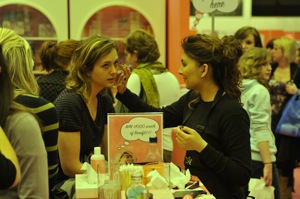
Skincare
The show offers four fun-packed days of pampering, shopping, healthy eating, dancing, socialising and essential know-how gathering, from 24-27 March at Earl’s Court London.
 Celebrity guests – from top TV chefs to dance professionals, athletes and some of life’s most inspirational people – will join the hottest health and beauty experts and over 300 absolute must-have fitness, food and lifestyle brands.
Highlights of this year’s show include:

Yoga studio
New! Dance Theatre Strictly amazing! The new Dance Theatre will thrill and entertain – showcasing some of the UK’s hottest dance talent from street dance to salsa, ballet to ballroom, bangra to breakdancing.

Fitness Park
One Life Theatre and Vitality Workshops If you’re looking for a new direction, want a career change or simply need to get some balance in your life, the One Life Theatre is for you. With inspirational talks, tips and Vitality Workshops offering 1-2-1 time with top life-coaches and careers experts, you’re sure to leave confident and positive about the future.
New! Make a Difference Makeovers – The Travel Pavilion Discover a world of inspirational adventures, relaxing retreats and feel good opportunities that help make a difference to far-flung communities around the globe. Speak to the experts who can make any travel dream a reality.
New! Food Lovers Fair FoodLoversBritain.com brings the finest food market straight to you. Feast your eyes on the freshest, tastiest morsels then sample the delights of seasonal, regional produce including all the essentials for the modern chef’s health-conscious kitchen!
New! The Wardrobe We’ve created a wardrobe just for you with everything from fabulous accessories to must-have shoes, the latest bags and vintage bargains so you can shop until you drop.
 To celebrate the launch of the Vitality Show we have FOUR pairs of tickets to giveaway to In Balance readers! Simply send an email to editorinbalance@me.com with your contact details, to reach us latest 28 February 2011. Only one application per household.
For more information, or to book your place at the hottest health, beauty, fitness and well-being event of the year visit www.vitalitylive.co.uk now!
 In Balance